


Kokun by Nahoko Uehashi
An agricultural fantasy with plenty of action and an underlying moral: diversity is vital in plant culture as well as human society.
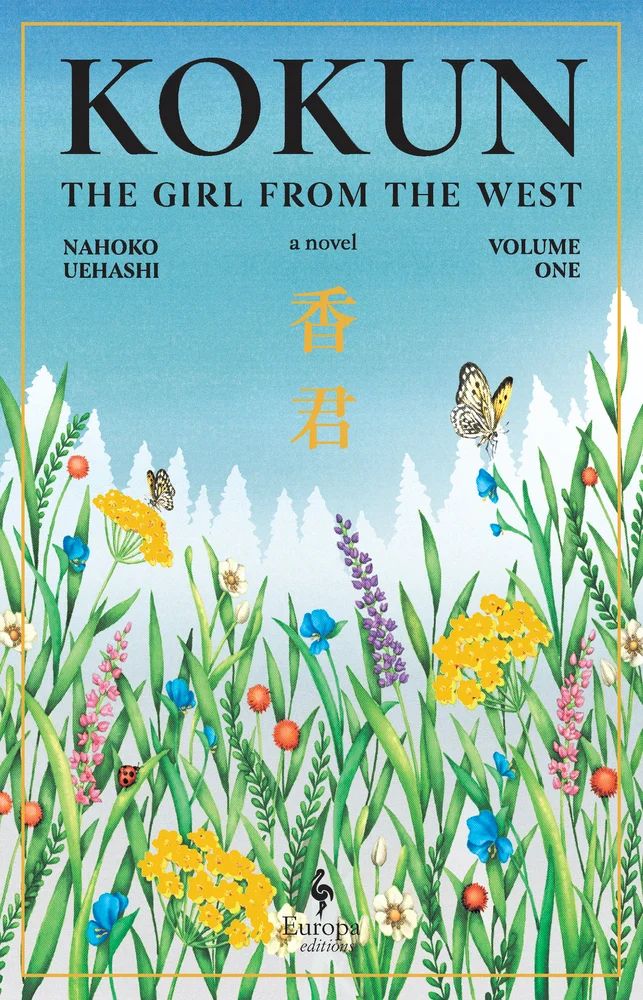
Kokun: Volume 1 by Nahoko Uehashi, translated by Cathy Hirano
Europa Editions
Paperback | $18
9798889661580
This fascinating fantasy represents a first for this reader: an ecological tale spun on the notion of the dangers of monoculture in food production. It may seem an unlikely subject for the genre but it is entirely within the bounds of imagined worlds with real problems. We already have some evidence that focusing on a few easily cultivated crops with high production is a poor way to insure long-term food safety. The same applies in other areas of horticulture. The planting of the same kind of street trees, for instance, guarantees that one pest or disease can wipe out everything we’ve done. This important issue is addressed in an entirely satisfying way as a story set in an imaginary world with a variety of rice that yields prodigious quantities of grain but also ties the people to the government who supplies and regulates it. When an environmental disaster appears, not only science and folk wisdom but high-level politics become part of the equation.
The protagonist is a young woman who is born with a remarkable skill: she has a hyper-sensitive sense of smell. She can discern between types of plants, even individual plants which are under stress or in conflict with their neighbors, sometimes inhibiting, sometimes encouraging growth. She can tell who is in the room by mere scent, and can detect when a person is happy, sad, angry or threatening merely be their odor. It is a skill she hides from everyone except close family and, as the tale unfolds, collaborators in a plot to restore order and balance to the natural and managed plant world.
Her talent is recognized by one of a small group of intellectual and moral dissidents who are planning to reshape the politics that keep the monoculture in place for their own benefit. Power and wealth are tied to the status quo, but the rebels realize that tragedy is inevitable if something is not done. They enlist the young woman to work with the spiritual head of state to bring about change. Working in secret, they begin to infiltrate the agricultural culture to promote diversity in crops and methods. The establishment begins to recognize their efforts and move to stop them at any cost, including human life.
Unusual and exciting, this fantasy goes beyond merely positing an alternative universe; it offers a predictive warning to our current modes of producing food. The social meaning, while not at the forefront of the story is clear. Nothing better than a story with a moral, and this one has it. The translation from Japanese is clear and flows easily to facilitate comfortable comprehension, no mean feat considering the differences in language. It would make a good recommendation for young readers or anyone who loves “what if” fiction. It is the first volume of a series.