


The Mountains We Call Home by Kim Michelle Richardson
A woman who was a Packhorse Librarian during the depression suffers from a genetic condition rendering her skin blue. She is imprisoned, mistreated and eventually redeemed through the saving qualities of literature. Filled with emotion and drama, this novel is hard to put down.
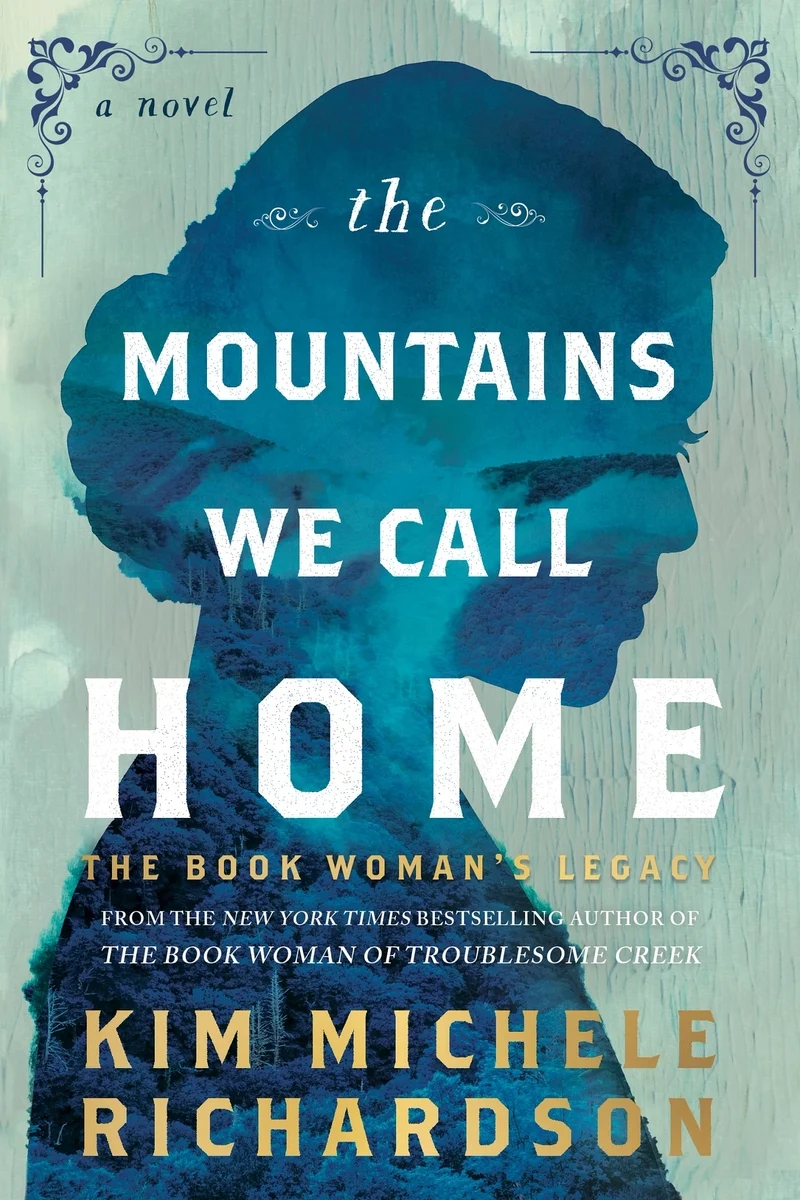
The Mountains We Call Home by Kim Michele Richardson
Sourcebooks
Paperback | $18.99
9781464239335
During the Depression there existed a group of adventurous women who were known as the Packhorse Librarians who supplied books to the people of rural Appalachia, rain or shine, hottest summer or coldest winter. There is also a group of folks indigenous to the Appalachians known as melungeons or the “blue people. They possessed a genetic condition that limited the amount of oxygen in their blood resulting in a bluish tint to their skin. Cussy Lovett is both of these. Taking place during the post-WWII period, this novel examines issues of literacy and the magic of books but also misogyny, racial prejudice and fear of the different.
Cussy is taken by the law and imprisoned for the crime of miscegenation or mixed-race marriage, a common offense in the Southern states until the sixties. Her husband is white but she has a dark cast made more prominent when she blushes or is stressed, marking her as “colored”. She is imprisoned and subjected to numerous tests and proddings to determine the cause of her affliction, as she is considered, even by medically trained personnel as contagious. She is shunned by the white inmates and assaulted brutally, nearly breaking her spirit. She finds solace in books and becomes the librarian in the women’s division of the prison where she begins to teach some of the less fortunate prisoners to read and write. Books and friendship are her saviors.
Eventually finding a place helping a black librarian in Louisville as a method of obtaining favor for the warden of the women’s prison she comes into her rightful place. Her methods and energy are wildly successful in creating a program for literacy in the black community where she is embraced and cherished. It is the redemptive quality of books and reading that are at the root of the story and of Cussy’s salvation. Rich with emotion, filled with the outrageous treatment of those who are different, those who are women and those who are poor this story is at times heartbreaking but ultimately affirming. There is good in the world and in people, as Cussy finds out: even when hope seems futile, there is light ahead.